Sell Your Old AC or Air Cooler: A Local Seller’s Guide
Explain what works, which units and fittings are included, and who arranges removal. Prepare an honest AC or cooler ad with a practical collection plan.

Content Writer
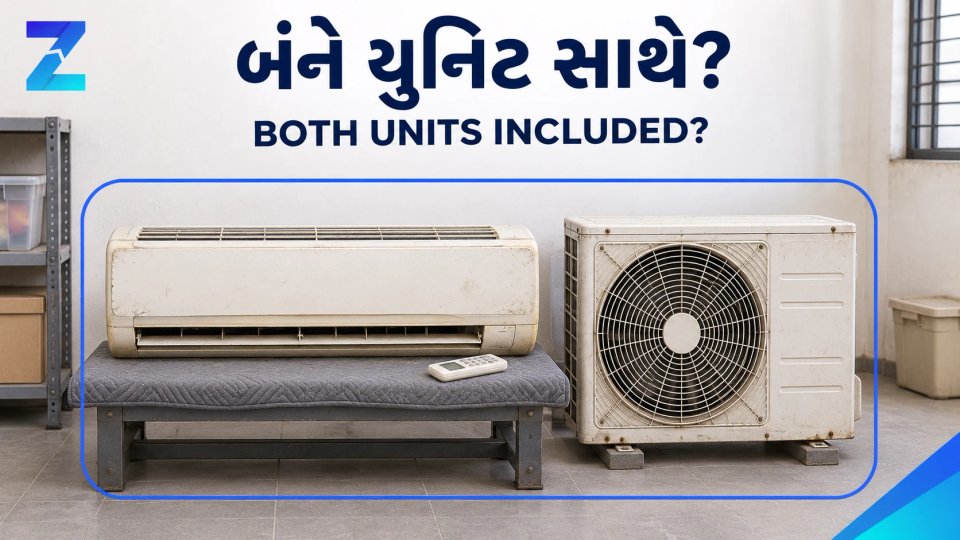
Before selling an AC or air cooler, give the exact model, current condition, last use, known repairs and included parts. For a split AC, confirm whether both units are included, whether cooling can be demonstrated, and who books and pays for suitable professional removal. For a cooler, describe the fan, pump, tank and pads separately. Agree transport and installation responsibilities before collection.
A buyer considering your old AC wants to know more than whether it switches on. They may also need to pay for removal, transport, installation and missing parts. An air cooler has a different set of questions: does the pump work, are the pads usable and does the tank leak?
Give each item the details it needs. A clear local ad helps someone decide whether to arrange a visit and what the whole purchase might involve.
First identify what you are selling#
For a compressor air conditioner, write the brand, exact model, split or window type, capacity in tonnes and approximate age. Add inverter or non-inverter only if you can confirm it. If quoting an energy label, show the actual label rather than suggesting an older rating means the same running cost as a current model.
For an air cooler, give the model, tank capacity where known, fan controls and main dimensions. Do not describe an evaporative air cooler as an AC. The buyer needs to understand which appliance you have before comparing prices.
Browse AC and air cooler listings and the broader home appliance listings for comparable models and condition descriptions.
Explain the AC’s actual cooling and service history#
Say whether the AC is installed and in use or has already been removed. Give the last use or test date if known. Describe cooling, unusual noise, water leaks and error messages you have actually noticed. If it was working before removal but cannot be tested now, write both facts rather than calling it currently tested.
Mention the last service if known, refrigerant refills, compressor work and replaced parts. A refill is information to disclose, not proof that a cooling problem has been permanently fixed. If the cause of a fault is unknown, describe the symptom and say it has not been diagnosed.
For a split AC, give the indoor and outdoor model details where safely available and say whether both units come with the price. Keep the remote and included fittings together. If you are unsure whether two units form a compatible set, get the exact models checked by suitable service help rather than assuming the brand or tonnage is enough.
Make a separate list of the remote, brackets, drain pipe, copper pipe, stabilizer and other extras. State which are included, excluded or separately priced. Let the receiving installer judge whether existing pipework or fittings are suitable at the new location; being included does not guarantee they can be reused.
Give air coolers their own checklist#
For a water-based air cooler, describe airflow at the available speeds, pump operation, water distribution, cooling-pad condition and tank condition. Mention leakage, cracks, stuck wheels, faulty controls or a damaged cable that you know about.
Say when it was last used. If it has been stored for a season, check it safely according to its instructions before describing it as ready to use. Do not promise room-cooling performance in every weather condition. Tell the buyer what you have observed in your own use.
Show which pads, wheels, remote or other removable parts are included. If a part needs replacement, write that clearly instead of relying on the buyer to notice in a photo.
An air cooler’s fan working does not establish that its pump and water circulation work. If you only checked the fan, say so. Disclose worn pads or tank leakage separately, and do not add an AC-style tonnage or a made-up room-size promise.
Take useful photos before removal#
For an AC, photograph the installed indoor unit, outdoor unit, model label, remote and visible condition where safely accessible. Do not climb or remove covers just to get a photo. Include dents or damaged parts.
For a cooler, show the front, tank, accessible pads, controls and wheels. Photograph accessories together so the buyer can see the full offer. Keep bills and service records with private details hidden; show relevant evidence privately if needed.
For a fuller inspection, share the used AC and cooler buying guide. Your ad can tell the buyer what is installed, what is included and what can actually be demonstrated before they arrange the visit.
Price the complete offer#
Compare the same type, capacity, age and condition. Account for missing accessories and known repair needs. The price of the appliance is only part of the buyer’s cost, particularly for a split AC that still needs to be removed and installed elsewhere.
Write whether removal, loading and delivery are included in your asking price. Get suitable quotes instead of guessing a technician’s charge. Ask the buyer to allow separately for transport, installation and any materials or assessment their installer requires. The second-hand pricing guide helps with comparisons; it does not set a resale percentage for every AC.
Agree on a demo and a professional removal plan#
If the AC is installed and working safely, arrange the agreed demonstration before removal. Ask whether the buyer wants an independent technician and settle the visit and cost first. Once removed, do not imply normal installed cooling can be demonstrated at the pickup point or reconnect it casually to prove a sale.
Use the maker’s authorised service or a suitably qualified professional, as the appliance instructions require, for removal, refrigerant work and installation. Agree who books and pays, which fittings come away with the units and what remains at your home. Safe access to a high or awkward outdoor unit needs to be part of that quote. This is not a job to improvise during collection.
For a cooler, demonstrate only with the normal guards and parts in place and according to its instructions. Do not run an appliance with a known unsafe cable or electrical fault to prove it works.
Put the offer and costs in one short note#
For a split AC, an illustrative note is: “[brand, indoor/outdoor models], [capacity]. [Installed or already removed]. Last use: [date and observations]. Repairs: [known work]. Included: [both units, remote and specified fittings]. Removal: [who books and pays]. Pickup: [area, floor and access]. Asking ₹[amount]; transport and installation: [agreed arrangement].” Replace every detail with the truth for your set.
For a cooler, use its own model, fan and pump observations, tank and pad condition instead. Say whether the wheels and remote are included. Keep a photo taken before removal separate from current-condition photos if the AC is no longer installed; label what each shows.
Finish the handover clearly#
Confirm the final price, accessories, floor, lift access and loading help before the vehicle arrives. Have another adult present where possible and follow the local meeting guide. Verify incoming payment in your own account before handover.
When the condition note, included parts and removal plan are ready, post your AC or cooler ad. Free posting is available within category allowances; check the current posting limits. You agree inspection, price and collection with the buyer. Mark the ad sold after collection.
Looking to sell something?
Reach local buyers with clear photos, condition, price and location. Free posting is available within category allowances; any applicable charge appears during posting.
List your AC or air coolerBrowse related listings
Quick shortcutsFrequently Asked Questions
4 questionsYes, describe that status clearly and explain any testing that can actually be offered. Do not promise an installed cooling demo when the unit is disconnected.
Arrange a suitable professional and follow the manufacturer’s instructions. Agree with the buyer who appoints the technician, pays the cost and receives the installation parts.
Include tank capacity if known, fan speeds, pump operation, pad condition, leakage, controls, wheels and included accessories. An air cooler needs its own description rather than AC tonnage or compressor details.
Only if you are selling them with the appliance. List included and excluded accessories clearly, and agree on any separate price before collection.