How to Sell Used Office Furniture Online: Lots and Pickup
Prepare a counted office-furniture lot with clear condition and per-piece or set prices. Keep the quantity accurate and agree dismantling and pickup.

Content Writer

To sell used office furniture online, count and label the pieces, record dimensions and individual faults, and state whether the price is per piece, matching set or whole lot. Keep enquiries, agreed collections and collected items separate. Photograph the actual groups and condition, remove private office information, and agree permission, dismantling, building access, payment and pickup before collection.
An office move can leave you with ten chairs, several desks and a cabinet you do not want to take. Selling them is easier to organise when buyers can see exactly what is available, what works and when it must be collected.
Start with a counted inventory rather than one photo captioned “office furniture available”. A person setting up a home office may want one chair. A business furnishing a room may need a matching set. Your ad should make both the quantity and the buying options clear.
Count and label the available furniture#
List the item type, available quantity, approximate age, dimensions and condition. Separate different chair models, desk sizes and cabinets. For a larger clear-out, use simple references such as Chair A or Desk B and use the same names in photos, messages and your collection note. Confirm that you have permission to sell and remove the items, especially fixed workstations or furniture belonging to the business or landlord.
Keep enquiries, agreed collections and collected items separate in your own list. A message saying “interested” is not a confirmed booking. If pieces are reserved, explain that status without promising them to a second buyer; after collection, reduce the available count and update the ad.
Browse used office furniture and broader furniture listings for comparable items. A group photo is useful, but it should support the count rather than replace it.
Check chairs one by one#
Try the height adjustment, wheels, tilt and other controls in normal use. Check the seat, backrest, armrests, base and visible joints. Describe loose parts, weak height adjustment, torn upholstery or a missing wheel.
Check each chair rather than giving matching-looking chairs one condition label. Record a fault beside its reference. The used office chair and desk buying guide explains the fuller inspection a visitor may want to make.
Do not promise a load rating or ergonomic benefit without the manufacturer’s information. A familiar brand name does not establish the current condition of a used chair.
Measure desks, workstations and cabinets#
Give the length, width and height of desks and meeting tables. Mention drawers, keys, cable openings and detachable parts. Show chipped laminate, wobble, stains and damaged edges.
For workstations or partitions, state how many positions are included and whether you are selling the whole arrangement. Separate the furniture from computers, monitors and other equipment visible in photos. Show accessible joints or the layout and say if suitable help is needed to dismantle it; do not promise it can be carried out assembled without measuring the route.
For cabinets, list the dimensions, shelves, drawers, working locks and keys. Empty them and check for confidential papers before photography or collection. A locked drawer without its key is a condition detail to disclose.
Choose individual or lot pricing#
Decide whether you will sell single units, matching sets or the complete lot. State the unit clearly: per chair, per desk, per workstation or for everything listed. If the total includes different prices for damaged units, explain that.
Compare the same item type, material, size and condition. Compare a per-chair offer with other per-chair offers, and a complete lot with the same kind of package. A single damaged chair at a low price is not a useful comparison for a counted set in a different condition.
Other ads show asking prices, not achieved sale values. The buyer will also consider dismantling, loading and transport. Use the second-hand pricing guide to organise your comparison.
Show exactly what a lot price covers#
An illustrative inventory could read: “Chair A: six matching chairs, checked in normal use. Chair B: two similar chairs whose height adjustment drops. Desk C: two desks, dimensions listed, drawers included; computers excluded.” These are example quantities, not a real Zutilo offer. Replace them with your own checked count and condition.
Then write whether you will sell Chair A one at a time, only as a set, or together with the desks. Give the price unit clearly. If someone asks for a smaller set, confirm the new quantity, amount and removal responsibility before calling it agreed. Do not use the cheapest single piece as the displayed price for an entire lot.
Photograph the condition and the full lot#
Take a group view and clear pictures of each type. Show chair controls and upholstery, desk surfaces and legs, and cabinet interiors. Add close-ups of faults with the group reference so the buyer knows which piece is affected.
Remove papers, screens showing business information and personal photographs from the background. Do not show customer files, employee records or building access codes. The photos should sell the furniture, not reveal the office’s private information.
Include a written inventory in the description. A buyer should not have to count partly hidden chairs in an image to understand the offer.
Set a practical collection date#
Choose the earliest collection date and the last date before the office move or handover. Leave room for a cancelled visit. Do not promise a buyer will appear by your deadline; decide what you will do with any unsold pieces.
Write the pickup area, floor, lift dimensions where relevant, stairs and loading access. Check building rules for visitors, goods lifts, working hours and vehicles. Arrange permission before promising an evening collection or a large loading vehicle.
Agree who dismantles, packs, labels fittings and pays for labour and transport. Keep each desk’s screws and joining parts with its reference so they can be matched at the destination. Workstations with electrical connections or building fixtures need appropriate authorised help; do not ask a buyer to improvise disconnection during collection.
Inspect, pay and collect in an agreed order#
Let the buyer inspect the actual units in the offer. Record the final references, quantity, condition, amount and collection arrangement together. If a buyer takes only part of the lot, agree which pieces remain before loading and update the ad rather than leaving the original full-lot photo and price unexplained.
Have a responsible person present and follow the local meeting guide. Verify payment in your own account before handover, and mark collected items sold.
When the count, photos and collection plan are ready, post your office furniture ad. Free posting is available within category allowances; review the current limits. Keep the available quantity accurate while enquiries come in, then mark the ad sold when the listed lot has been collected.
Looking to sell something?
Reach local buyers with clear photos, condition, price and location. Free posting is available within category allowances; any applicable charge appears during posting.
List your office furnitureLatest Desks, Office & Commercial Furniture ads on Zutilo
Browse listings from local sellers in your area.
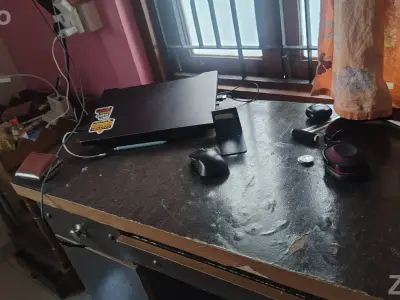 Desks, Office & Commercial Furniture
Computer Table
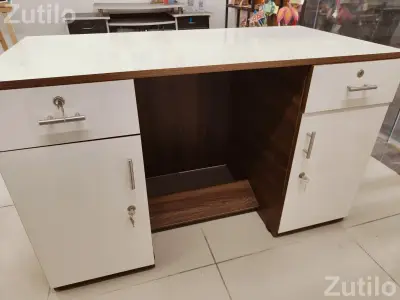 Desks, Office & Commercial Furniture
Office table
 Desks, Office & Commercial Furniture
Office chair / Boss chair
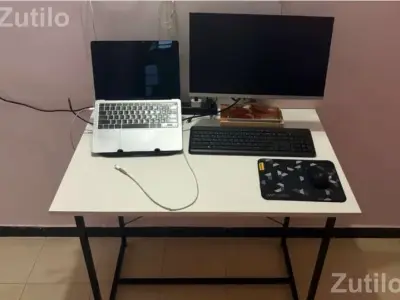 Desks, Office & Commercial Furniture
Like-New WFH / Study Set: 2 White Desks + 2 Ergonomic Mesh Chairs
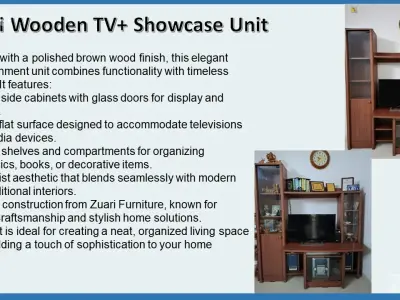 Desks, Office & Commercial Furniture
Zuari Wooden TV+ Showcase Unit
 Desks, Office & Commercial Furniture
Selling an well maintained work desk at reasonable price
Browse related listings
Quick shortcutsFrequently Asked Questions
4 questionsChoose what suits your clear-out and state it clearly. Give the per-unit or lot price, available quantity and whether buyers can split a matching set.
Describe the differences rather than giving every unit one condition label. Use simple references or photos so the buyer knows which pieces need attention.
Agree before collection. Complex or fixed arrangements may need competent help and building permission. Confirm who provides labour, keeps fittings together and pays the cost.
Empty drawers and cabinets, remove confidential records and check photo backgrounds for business or personal information. Keep access codes and private documents out of the listing.