How to Check Used Office Chairs and Desks Before Buying
Check whether the chair holds its height, fits under the desk and is ready to use. Inspect each piece before paying for a lot.

Content Writer
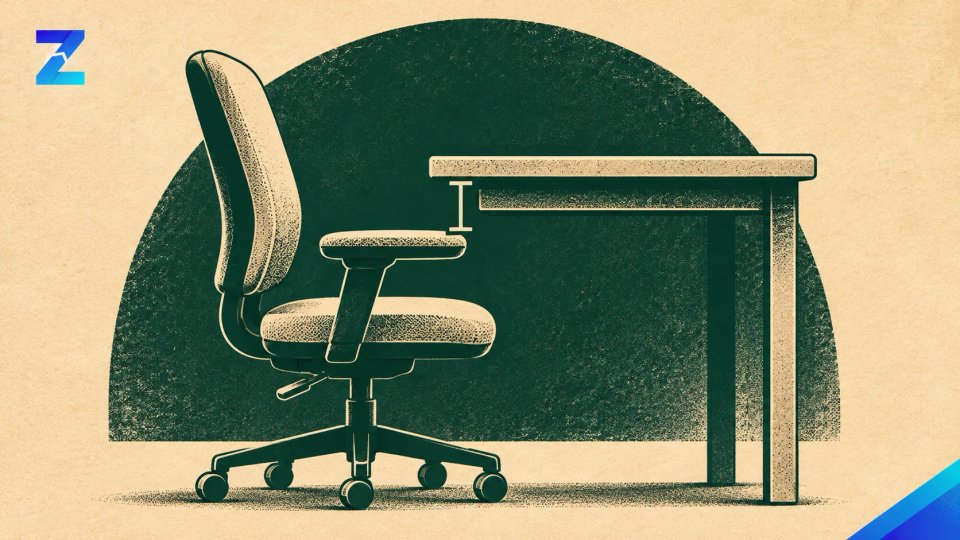
Before buying used office chairs or desks, measure the seat and armrests against the clearance below your desk. Try the chair’s normal adjustments only if it is stable. Check the desk for wobble, swelling and missing keys. For a lot, inspect and count each usable piece, then add repair and pickup to the asking price.
A chair can look good in the photo and still sink while you sit. A desk can look wide enough and leave no room for your knees once the drawers are in place. Whether you need one workstation at home or eight for an office, measure what you need first. Then check the actual pieces before paying or booking a vehicle.
Get the measurements that affect your setup#
Write down how many chairs or desks you need and what each will do. A reception chair, a revolving computer chair and a chair for a billing counter have different jobs. Measure the space for the desk and allow for opening drawers, walking past it and moving the chair. If you use a desktop, monitor, printer or cash drawer, note the surface space and cable access you need.
Ask for the desk width, depth and height, plus the clear height and width underneath. Measure to the lowest drawer or support where your legs will go. For an adjustable chair, ask for its seat height range, seat width and the height of the armrests when set for you. If the arms are higher than the underside of the desk, the chair may stop short even when the seat feels right.
Send a short message before travelling: “Are all four chairs still available? Do any sink or have broken wheels? Can you send the desk measurements, including the gap under the drawers, and tell me the floor and whether there’s a lift?” Change the questions for the pieces you actually need.
Try the chair only after looking at the base#
Look at the base, legs, wheels, centre column and joints. If a part is cracked or the chair already rocks unexpectedly, leave it for a repair assessment. If it looks stable and the seller agrees, sit normally, adjust the height and stay seated briefly at the chosen setting. Notice whether it drops without touching the lever. A sinking seat is a useful observation. It does not tell you which part must be replaced. Get a repair estimate and leave the pressurised cylinder to someone qualified.
Roll gently on a suitable floor and check each wheel. Try the armrest adjustments and the normal recline and lock if the chair is stable. Stop if it slips or feels loose. Look for torn mesh, collapsed foam, broken lumbar support, sharp edges, peeling material or smells that would bother you during daily use. A chair can pass the mechanical checks and still feel wrong at your desk, so try the fit as well.
Look under the desk and open every drawer#
On a level surface, check stability with light hand pressure and permission. Look underneath for loose joints, missing fasteners, bent supports or rust. Check the top and edges for swelling, peeling laminate, water damage and deep cracks. A mark on the top may be acceptable when the frame and joints are sound. Avoid loading or climbing on a desk to prove it is strong.
Open the drawers and test locks with the keys you will receive. Check runners, handles and drawer bottoms. For a computer desk, look for legroom, room for the monitor and cables, and whether the keyboard tray moves cleanly. On a powered height-adjustable desk, ask the seller to show normal operation with the proper controls and power supply if the setup is safe. Get help for uncertain wiring or a mechanism that jerks or stops.
Count usable pieces before agreeing to a lot#
One working chair tells you very little about the rest of the stack. Ask to inspect each piece you will take. Make a simple record by group. For example: “Eight chairs offered. Six held their height and rolled normally, one sank and one has a cracked wheel. Five desks offered. Four have keys and one does not.” Decide which pieces you will take, which need repair and whether the offer is per piece or for the entire lot. Keep desk keys, removable shelves and fittings with the piece they belong to.
Compare current office furniture ads using the number of pieces you can actually use. Add any repair, dismantling, loading, delivery and reassembly. Compare that total with another used option and a suitable new one. The second-hand pricing guide can help you make the comparison.
Check the route and record the deal#
Ask where the furniture is now and whether the seller can help bring it to the gate. Measure the clear door and lift openings and check the tightest turn, including at your destination. Ask what can be taken apart without damage and who will handle it. Before pickup, agree on the vehicle, carrying help, parking and collection time. Use the marketplace safety guide for the visit, inspect before paying, and record the accepted pieces, known faults and total price in writing.
If you are replacing furniture you already own, the office furniture seller guide covers how to prepare and label your separate lot.
Explore on Zutilo
Browse local listings, compare the details and contact a seller when you find something useful.
Find Office FurnitureLatest Desks, Office & Commercial Furniture ads on Zutilo
Browse listings from local sellers in your area.
 Desks, Office & Commercial Furniture
Reception table
 Desks, Office & Commercial Furniture
Office Furniture
 Desks, Office & Commercial Furniture
Computer table
 Desks, Office & Commercial Furniture
Desk
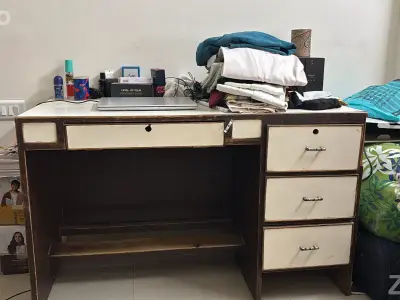 Desks, Office & Commercial Furniture
Study table
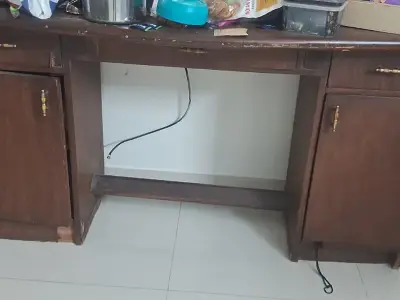 Desks, Office & Commercial Furniture
Office table
Browse related listings
Quick shortcutsFrequently Asked Questions
5 questionsIf the base and chair are stable, adjust to a normal seat height and sit briefly. If it drops without the lever moving, record the fault and get a repair estimate. Do not open a pressurised cylinder.
Get the width, depth and height plus the clear space beneath the lowest drawer or support. Compare the opening with the chair at the height you will use.
Check every piece you are paying for if possible. Count what is usable, what needs repair and what is missing. Confirm whether the price is per piece or for the whole lot.
Add any verified repairs, dismantling, carrying, transport and reassembly. Compare the total against the number of pieces you can use.
Check the joints, base, top and drawers first. A small mark may be acceptable when the desk is stable and fits. Swelling, damaged supports or pronounced wobble need further assessment.