Sell Old Household Items Online: Plan Your Home Clear-Out
Moving home or clearing a room? Keep one list of items, prices and pickup dates, with a plan for the things that do not sell in time.

Content Writer
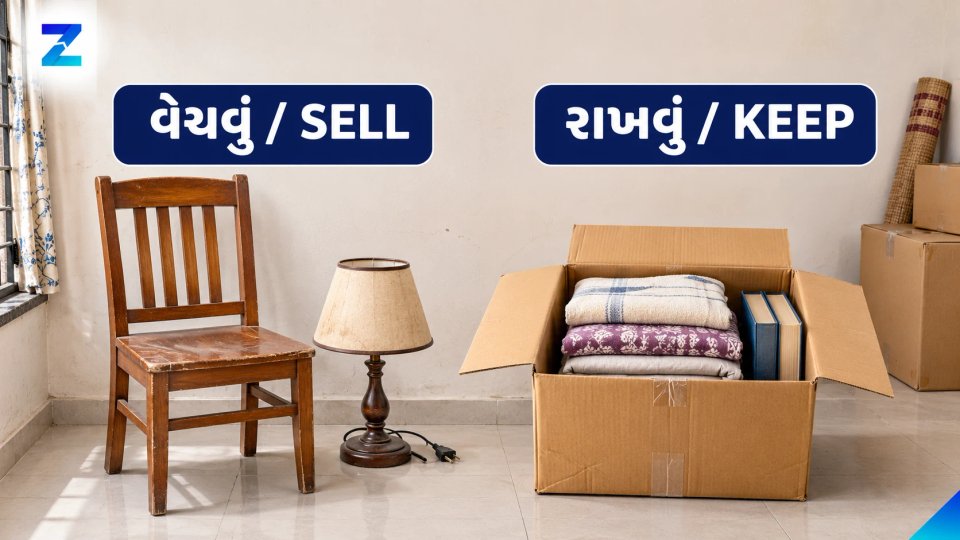
For a home clear-out, keep one room-by-room list with each item, condition, included parts, asking price and earliest collection date. Sell larger items separately and group small things only when they make a useful set. Record viewings and promised pickups separately from completed collections. Keep essentials until you can manage without them, leave time before moving day, and plan what to do with anything still unsold.
Moving home makes you notice how much you no longer use. There is the extra chair, the mixer kept after an upgrade, and the cupboard that will not fit in the new room. You can sell old household items online, but a house full of things needs a plan before it needs a dozen ads.
Start with what must leave, when it can leave and how a buyer will collect it. That keeps your clear-out manageable and helps you avoid selling the fridge before you have somewhere else to keep your food.
Walk through the house once#
Make one list on paper or your phone. For each room, note the item, its condition, included parts, asking price and the earliest date it can leave. Leave space for the buyer and pickup time. For books, the used-book selling guide explains which edition and condition details to record.
Sort each item into one of four groups:
- Keep: you use it or need it in the new home.
- Sell: it is usable, and you can describe its condition honestly.
- Donate: it is useful, but you prefer to pass it on without a sale.
- Recycle or dispose of appropriately: it is unsafe, badly damaged or not suitable for reuse.
Do not call a broken appliance “working” to get it out of the house. If selling it for repair or parts is permitted, state the fault clearly. Otherwise, find a suitable disposal route. A clear-out should not pass an undisclosed problem to another household. For children’s things, check the baby-item and toy selling guide before deciding what is suitable to pass on.
Put large items and deadlines first#
A sofa, bed, cupboard or washing machine may need measurements, a viewing and a vehicle. Prepare these listings before small kitchen items. Browse furniture listings and home appliances to see how comparable items are described. For a washing machine, use the washing-machine selling checklist to prepare the condition details and collection plan.
Choose an actual last pickup date, leaving room before the moving day for a cancelled visit. Also choose the earliest date each essential item can go. “Available after Sunday evening; collection by Wednesday” is more useful than “urgent sale”.
If the move is close, decide what you will do with each unsold item: review the price, offer it to someone who can collect, donate it where suitable or take it with you. Ask any collection or disposal provider what they accept and when they can come. Do not depend on a last-minute buyer appearing.
Sell valuable items separately; bundle smaller things sensibly#
Give a usable fridge, sofa set, dining table or TV its own listing. Buyers need individual photos, a clear price and the details relevant to that item. For a household fridge, use our old refrigerator selling checklist.
A bundle works when the contents belong together: matching dining chairs, storage boxes of the same kind, or a small set of kitchen utensils. Show everything included and say whether you will split the bundle. Avoid one vague “all household items” ad with a token price that does not match anything shown. For clothing bundles, the used-clothes selling guide explains how to show sizes, wear and exactly what is included.
For example, “Dining table with four chairs; surface scratches shown; pickup from second floor” gives a buyer a real starting point. “Complete home sale, call for everything” makes each enquiry start from zero.
Set prices with the whole clear-out in mind#
Compare similar models, sizes and condition rather than copying the highest asking price. For a TV or speaker, the electronics seller guide covers the item details to prepare. Use the pricing guide for the comparison method; allow for missing parts, repairs and collection costs.
Write down your asking price and the lowest amount you are comfortable accepting. Keep that second figure for yourself. Decide in advance when you will review an unsold item, rather than changing every price after each low offer.
For inexpensive items, compare the likely proceeds with the time needed for separate calls and visits. A clearly priced bundle or a donation may fit your moving plan better. For expensive items, do not accept a rushed deal only because several smaller things have already sold.
Take photos while the item is still easy to see#
Photograph furniture before the room is full of cartons. Show the front, sides, surface, joints and any visible damage. Add dimensions for anything a buyer needs to fit through a door or into a room.
For appliances, include the model label, inside, accessories and known faults. Crop out family photos, address documents and other private details. Write which floor the item is on, whether a lift is available and whether dismantling is needed. You do not need to publish your full home address.
Use the posting guide to prepare each ad. Category allowances apply to free posting, so check the current limits and additional-ad charges when planning a multi-item sale.
Try one small clear-out plan#
Suppose you are selling a dining table, a fridge and a box of utensils before a move. Give the table its own ad with its measurements, chairs included or excluded, and collection details. Keep the utensils together only if they make a useful set. Keep the fridge until the date you can manage without it.
In your private list, a note could read: “Table: viewing Sunday afternoon; collection not yet agreed. Fridge: available after Tuesday evening. Utensils: sold and collected.” These are planning examples, not actual buyers or deadlines. Choose dates that fit your own move and leave room if someone cancels.
If a buyer does not turn up, contact them before changing a hold you agreed. Then update your note and decide on a new viewing or your backup option. Do not treat a promised pickup as finished while the item is still in the house.
Keep track of each item until it leaves#
Keep confirmed visits and collections on the same list. A message saying “interested” is different from an agreed collection time. If you promise to hold something, agree when the buyer will confirm or collect it. Avoid giving two people the same promise for one item.
For the visit itself, use the buyer-meeting guide. Agree who brings the vehicle and carrying help, and who pays for any dismantling. Let the buyer inspect the item and agree the final amount. Check the money in your own account before the item leaves; read the scam guide if a payment request is unclear.
Once an item is collected, mark the listing sold and update your list. Then you can focus on what is left, with fewer repeated calls and a much clearer moving day.
Looking to sell something?
Reach local buyers with clear photos, condition, price and location. Free posting is available within category allowances; any applicable charge appears during posting.
Start your household listingBrowse related listings
Quick shortcutsFrequently Asked Questions
4 questionsList valuable furniture and appliances separately so each has an accurate price and condition description. Bundle related small items when the contents and total price are clear.
Start once you know what will not move with you. Prepare bulky items first and state both the earliest collection date and the last pickup date. Leave some time before moving day for changes.
Agree this directly with the buyer before collection. Confirm the vehicle, labour, dismantling, stairs or lift access and any loading costs in writing.
Free posting depends on the allowance available in each category. Check the current category limits and any additional-ad charges before preparing several listings.