Selling an Old Washing Machine: What to Check and Include
Say what worked during wash, drain and spin, and what was not tested. Prepare a clear ad, included parts and a practical collection plan.

Content Writer
Before selling a washing machine, record its exact model, rated capacity, type, known repairs and what you observed during wash, drain and spin. State what remains untested and which hoses, adapters or stand are included. Compare similar asking prices, agree a safe demonstration before disconnection, and follow the exact model’s draining and transport instructions.
Upgraded your washing machine, moved home or stopped using a second washer? Give the old one a clear local listing so someone can judge whether it suits their home and budget.
Before selling, work out what you can tell a buyer from recent use: the exact model, capacity, what works and what has not been checked. Keep the demonstration and collection plan clear, especially if the machine is about to be disconnected.
List your washing machine on Zutilo with photos, your asking price and pickup area. Free posting is available within category allowances. Check the current allowances and listing charges; any applicable charge appears during posting before payment. Optional promotions cost extra.
Make the machine easy to recognise#
Use the brand, exact model and rated capacity from the label. For example, “[model], 7 kg top-load washing machine, [your actual area]” is a useful title format. Replace the details with your own machine’s; the same brand can have quite different models.
Include:
- Front-load, top-load or semi-automatic type.
- Rated capacity from the label, such as 6.5 kg, 7 kg or 8 kg.
- Purchase year or approximate age and how it has been used.
- Working condition and any current fault.
- Service or repair history, with bills if available.
- Included inlet and drain hoses, connectors or adapters, stand, cover and any transport parts; state what is missing.
- Asking price and whether you will negotiate after inspection.
- City, pickup area, floor and lift access.
Say whether the machine is still connected for a demonstration. “Recently serviced” is useful only if you can explain what was done. It does not replace a description of what works today.
Describe the checks that suit your machine#
For a front-load machine, describe the drum, door seal and lock, any error code, and noise or vibration you noticed during spin. Say whether the correct transport restraints for this model are available. A missing set needs to be disclosed before collection.
For a top-load machine, describe the lid, controls, water inlet, drainage and spin function. Mention a button that needs repeated pressing or a program that stops part-way rather than calling the whole machine “perfect.”
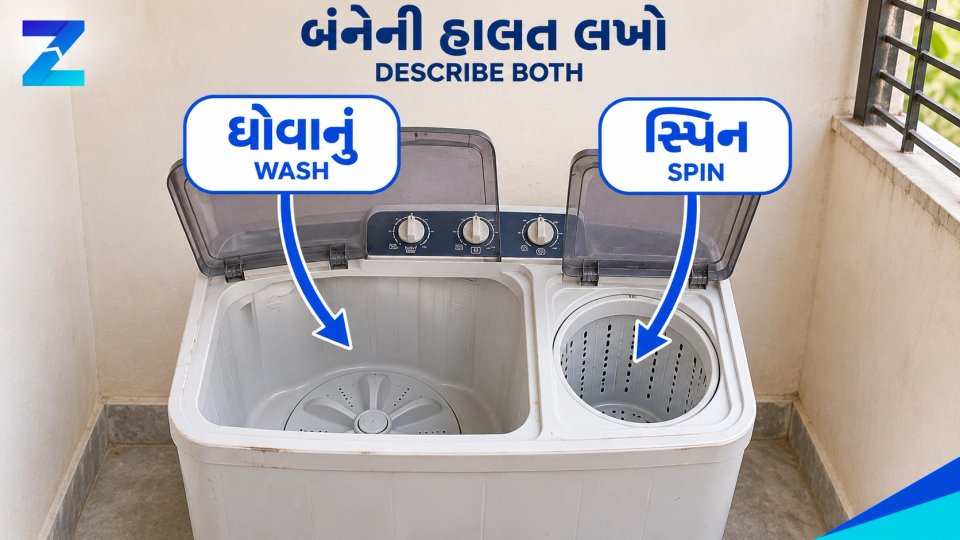
For a semi-automatic machine, describe the wash tub and spin tub separately. Mention the wash action, drainage, lid, visible cracks, rust or leakage. If washing works but spinning does not, put that in the first lines. The spin function is not the same thing as a heated clothes dryer.
Write what you have observed. A machine that does not drain may need diagnosis; do not promise that it needs only a cheap part unless a technician has established that.
Keep a short note of the last use#
Write when you last ran the machine and what you observed: filling, washing, draining and spinning are separate checks. If you only switched on the panel, say that. If a program stopped or an error appeared, give the exact message where possible without guessing the repair.
For example: “Last used [date]. Wash and drain worked in that use. Spin: [what happened or not tested]. Included: [hoses/adapters/stand]. Known issue: [actual symptom].” This is a format to fill in, not a claim about your machine. A service bill adds context but does not prove every current function works.
Price it by comparison, not a fixed percentage#
There is no single resale value for every washing machine. Compare the same type, capacity, approximate age and condition in washing machine listings. Broader home appliance ads can help you compare collection arrangements too.
Check the current new price of a comparable machine rather than relying only on its original MRP. Then consider remaining warranty evidence, recent service, missing parts, known faults and transport costs. Asking prices in ads do not show completed sale prices.
Avoid treating “one year old” as an automatic percentage of the new price. If the machine needs repair, give the actual symptom and let the buyer allow for diagnosis and repair. Our second hand pricing guide explains the wider comparison method.
Photograph the details you would want to see#
Take a full front photo, side view, control panel, drum or tub interior, model label and included pipes or stand. Show rust, dents, cracked plastic and any damage around the lid or door. Photograph the back only if it is safely accessible; do not move a heavy connected machine just for a photo.
Keep personal information on service bills out of public pictures. A running display photo can help, but it is not proof that a full wash and spin cycle works. Tell the buyer what you can demonstrate. See our used-item photo guide for practical photo tips.
Arrange a demonstration and collection#
Agree the time and test before the buyer travels. If the machine is safely installed and working normally, arrange a demonstration using the maker’s instructions. Do not run a machine with damaged wiring, leakage near electrics or a known safety fault. Have a qualified technician deal with uncertain electrical or plumbing work.
Keep another person present for a home visit. Give a broad area publicly, then share the exact address once the visit is agreed.
For collection, confirm:
- Floor, lift dimensions, stair access and parking.
- Whether the machine is still connected.
- Who arranges disconnection, loading and transport.
- Whether the buyer needs a technician or appliance mover.
- What pipes, bolts, stand and accessories are included.
Follow the exact model’s draining and transport instructions. Front-load machines may need their correct shipping bolts or restraints for moving; do not substitute random bolts or copy a bolt count from another model. Those restraints must be removed as instructed before operation at the new location. Use suitable service or moving help if unsure, and tell the buyer what is missing.
“[Area], [floor], [lift/stair access], [who arranges transport]” is a useful pickup note. Measure the route and lift before saying it fits. Agree which hoses, adapters and stand go with the machine; they should not disappear from the deal while it is being loaded.
If it is already disconnected, say when it last ran and why a new demonstration is not available. Agree how the buyer wants to assess it before travelling. Do not arrange a makeshift water or electrical connection just to complete a sale.
A machine needing repair needs an honest ad#
You can describe a machine for repair or parts without claiming that a buyer is guaranteed. Put “spin not working,” “not draining,” “door-lock fault” or the actual problem in the title or first lines. State whether other functions were tested.
If it is disconnected and untested, say so. Keep “working condition” for a machine you can accurately describe as working, and include known limitations.
Finish the sale clearly#
Agree the price, included parts and moving responsibilities before loading. Verify payment in your own bank or UPI app; a screenshot alone does not establish that money arrived. Read the Zutilo safety guidance before a home visit.
When your photos, observations and pickup note are ready, list your washing machine. Zutilo lets interested buyers contact you; you agree inspection, payment and collection with them. Mark it sold after collection so the next person does not enquire about a machine that has gone.
Looking to sell something?
Reach local buyers with clear photos, condition, price and location. Free posting is available within category allowances; any applicable charge appears during posting.
List My Washing MachineBrowse related listings
Quick shortcutsFrequently Asked Questions
4 questionsCompare similar type, capacity, age and condition in current ads, plus a comparable new machine. Account for faults, missing parts and collection costs. There is no fixed resale percentage for every machine.
Describe that fault prominently and say what other functions you have tested. Do not label it fully working or promise a cheap repair without a diagnosis.
Agree the demonstration first. If safely connected and working, the buyer may want to see it operate. Follow the maker’s instructions and use a technician for uncertain disconnection or electrical work.
Give the area, floor, lift and stair access, parking and whether the machine is connected. Agree who arranges disconnection, loading and transport, and disclose missing transport bolts or accessories.