Sell Used Auto Parts Online: Fitment, Condition and Missing Pieces
Help a buyer check the exact part: show its label, connectors, mounts, known repairs and everything included in your offer.

Content Writer
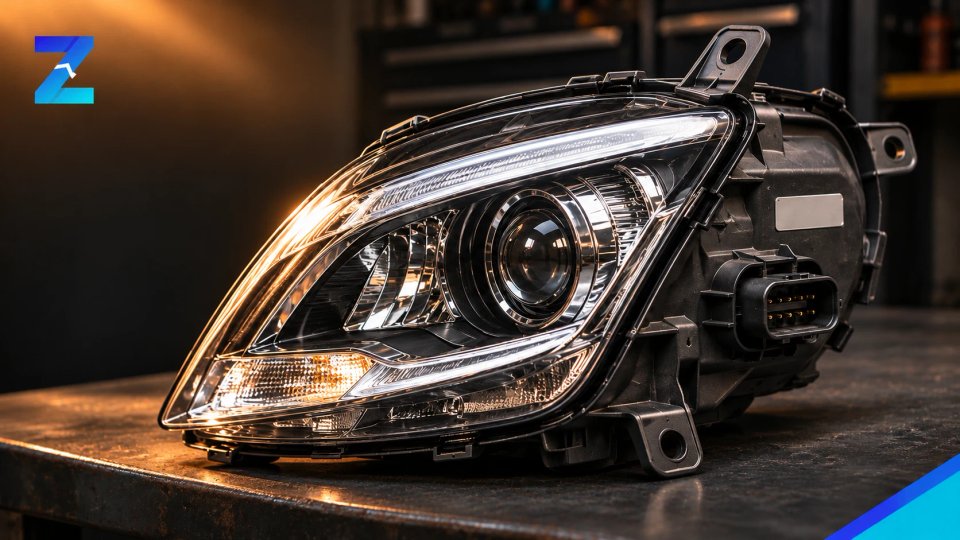
To sell used auto parts, show the part number, donor-vehicle details, mounting points and connectors. Describe known faults, repairs and the last test; list included and missing pieces. Let a qualified specialist confirm fitment and suitability, then agree inspection, price and pickup.
A spare headlamp, an old stereo or a set of wheels can be useful to another owner. The difficult part is finding out whether it is the right version and what condition it is really in. Before selling used auto parts or car accessories in Gujarat, put the part number, donor-vehicle details, included pieces and known faults in one clear ad.
Identify the part before promising a fit#
Photograph any readable manufacturer label or part number. State which vehicle it came from, including make, model, year and variant as far as you know. Identify left or right, front or rear where relevant. Use “original” or “OEM” only when you can substantiate it. If its origin is uncertain, say so.
A vehicle name alone is not a fitment check. Versions can differ across model years, facelifts and equipment levels. Photograph connectors, mounting points, brackets and the back of the part as well as its front. Let the buyer compare the exact details with the existing part and confirm with a qualified mechanic or parts specialist. A similar shape, plug or advertised size does not settle compatibility.
Measurements can help with a bumper, carrier, seat cover or other bulky accessory, but they do not replace part identification. Include the dimensions you actually measured and say how many pieces you are selling.
Explain why it was removed and what you know now#
Was the part removed during an upgrade, after a fault, or following accident damage? Say when it last worked, what was tested and whether it has been checked since removal. A working stereo before removal and a stereo that only lights up today are different descriptions. Use “untested since removal” when that is all you know.
Show broken mounting tabs, cracks, water marks, repaired wiring, welding, repainting and other known repairs. For a lamp, record the functions you actually observed rather than calling the entire assembly perfect. For a stereo, distinguish display, sound output and connections you tried. Do not attach a guessed low repair cost to an unexplained fault.
Keep proof of purchase or lawful ownership where available and hide personal details in public photos. If the part belongs to somebody else or a workshop customer, settle permission before listing it.
Show exactly what comes with the part#
Lay out the brackets, adapters, clips, bolts, remote and other pieces actually included. A headlamp housing may be offered with or without bulbs, a ballast or another module. Identify what your particular assembly contains and show missing pieces. Don't assume everything in the original box is still there.
For example, an ad note could say: “Left headlamp assembly. Donor-vehicle model and year listed below; part-number and connector photos attached. One mounting tab is broken and shown close up. Bulb and control module excluded. Worked before removal, not tested since.” Replace every detail with your own facts. This gives a buyer and mechanic something specific to compare.
Before handing over a connected stereo, remove saved phones, contacts, accounts and other personal information using that model's instructions. Confirm any legitimate security-code or ownership requirements with the maker. Do not promise that a buyer can bypass a lock or that the code will never be needed.
Give wheels and tyres their own condition note#
For wheels, photograph markings and both faces where accessible. Show known bends, cracks, repairs or welding and state the quantity. Write whether tyres, valves, nuts, caps or other fittings are included. Matching colour and diameter do not establish that a wheel is suitable for another vehicle.
For tyres, show the size and other readable sidewall markings, including the manufacturing-date code where identifiable. Describe known puncture repairs, cuts, bulges, unusual wear, storage and use history. Mileage or a photograph of deep tread cannot establish remaining life or road suitability. Have a trained tyre professional assess condition and suitability; don't turn your own estimate into a safety claim.
Braking, steering, restraints and other safety-critical parts need appropriate professional judgment too. Being physically attachable is not proof of safe reuse. If condition or history raises a concern, get qualified advice before offering it as usable. This guide is for describing a sale, not deciding that a part is safe to install.
Compare the same offer when setting a price#
Look at current auto-parts listings for the same part number or genuinely comparable version, contents and condition. Consider the current new replacement and any inspection or missing-parts costs the buyer will need to establish. Use the pricing guide to compare asking prices without treating them as completed sales.
For a pair or set, state the price per piece or for the whole set, whether you will split it and which pieces remain. Photograph the exact set being offered, rather than a similar complete kit.
Agree the inspection and pickup#
Post the part on Zutilo with its identification, condition, included pieces, price and pickup area. Free posting is available within the current category allowance. If checking it needs equipment or installation, agree on a suitable workshop, the scope of inspection and who pays before the visit. Avoid improvised wiring demonstrations.
Plan loading for bulky or sharp parts and record what changes hands. Confirm payment in your own account, follow the safety guidance and update availability after a sale.
Looking to sell something?
Reach local buyers with clear photos, condition, price and location. Free posting is available within category allowances; any applicable charge appears during posting.
Post your auto part adBrowse related listings
Quick shortcutsFrequently Asked Questions
4 questionsNo. Check the part number, model year, variant, connectors and mounting points with the existing part. A qualified mechanic or parts specialist should confirm compatibility.
State when it last worked, why it was removed and that it has not been tested since. Describe known faults and repairs instead of calling it fully working.
Say exactly what the assembly includes and excludes, show the connections and missing pieces, and let the buyer establish what is required for that vehicle.
No. Show markings and known damage or repairs, but have a trained tyre professional assess condition and suitability. Age, mileage and visible tread alone cannot establish remaining life.