How to List Agricultural Land for Sale in Saurashtra
Selling agricultural land in Saurashtra? Give buyers a clear village location, recorded area, access, water details and asking price before arranging a site visit.

Content Writer
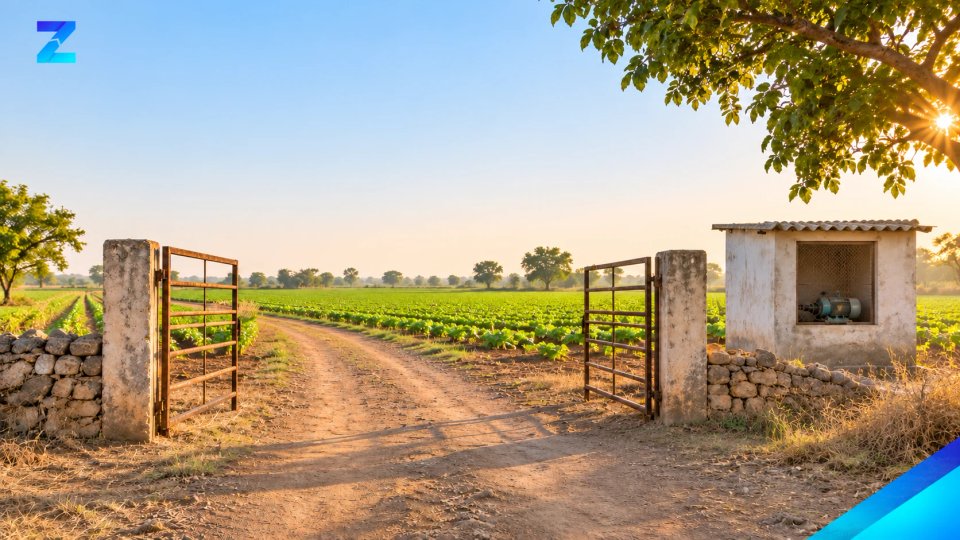
Prepare an agricultural land ad with the village, taluka, district, recorded area and unit, road access, water arrangements, current use and asking price. If adding vigha or another local unit, identify it clearly and verify any conversion. Describe available records and known concerns, then arrange private document checks and a site visit.
A buyer looking at agricultural land needs more than “jamin for sale in Saurashtra”. They need to know which village, how much land, how to reach it and what is actually available on the site. Those answers help them decide whether to call and plan a visit.
If you are selling farm land near Junagadh, Gir Somnath or another part of Saurashtra, prepare the facts before posting. You do not need a long sales pitch. A clear description of the land and its practical limits is more useful than a promise of future profit.
Start with the village, taluka and district#
Write the village or nearby village, taluka and district. Add a recognisable landmark and an accurate description of the approach. “Near Junagadh” covers a wide area; it does not tell a buyer how far they need to travel.
If you quote distance from a highway, market yard or town, check it first. Say whether the final approach is a surfaced road, village road or another arrangement. Describe any known seasonal difficulty, gate restriction or access concern.
Do not call land “road-touch” if a buyer must cross another parcel to reach it without explaining that arrangement. Physical access and the right to use an approach both need suitable verification. A photograph of a track does not establish that right.
Write the area with its unit#
Use the area and unit shown in the relevant records as your starting point. If local buyers also discuss the land in vigha, bigha or another unit, give that figure separately and explain which local measurement you mean.
Do not assume that one local-unit conversion works everywhere. Check a conversion against the actual record and local professional advice before publishing. If you are unsure, state the recorded area rather than adding a confident-looking second number.
Describe the shape, approximate frontage and visible boundary features where known. Be clear if a wall, fence or natural feature is simply what is visible on the ground. Final measurements and boundaries need their own checks.
Say exactly what is offered: the whole recorded parcel, a separately recorded part or an undivided share. If several people own it, state your role and arrange the authority and consent checks privately. Do not describe a portion as an independent plot just because it is marked on a photograph.
Explain water, electricity and current use#
Water information can change whether a buyer considers a visit. Say what is present: a well, borewell, canal arrangement or another source. Explain whether it is on the parcel, shared or dependent on another arrangement, and disclose known limitations.
Avoid “water available all year” unless you can substantiate it. A buyer may ask about seasonal experience, equipment, bills and rights. Separate what you have observed from what still needs verification.
Mention any electricity connection or installed pump accurately, including whether it is part of the proposed sale. State the current use and any structure, crop or equipment that is included or excluded. A crop being grown today is not a promise of future yield.
Also explain who is using the land now. If a standing crop, another cultivator or a shared pump affects the visit or handover, say what needs to be settled. Keep the crop, equipment and possession terms separate from the land price; discuss the supporting arrangements privately.
Take photos that help someone understand the site#
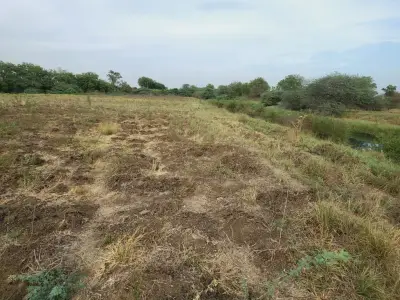
Show the entrance, approach road, views across the land and any visible boundary features. Add water infrastructure and structures when relevant. A series of clear ground-level photos is more useful than several nearly identical distant views.
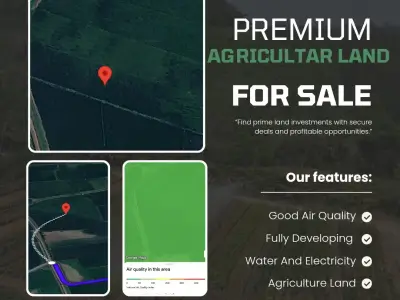
Do not label an edited outline as an official boundary. If you use a marked image to help explain the site, say that it is illustrative and needs verification. Keep neighbours’ private details and sensitive records out of public images.
Note whether a buyer can drive to the site and where you can meet them. This is particularly useful when a village contact needs to guide the final part of the visit.
Prepare the records without making legal promises#
Collect the records available for the parcel and note what is still being checked. A buyer may ask about the recorded owner, survey details, previous transfers, loans, disputes, access and water arrangements.
The 7/12 and 8A guide and property document checklist can help organise questions. Share sensitive copies privately with appropriate safeguards.
Do not promise that every interested person is eligible to buy agricultural land, or that a farmhouse, residential project or commercial use will be allowed. A buyer’s eligibility, title questions and any proposed change of use require current professional and official verification. This ad is a starting point for an enquiry.
Quote an understandable price#
State whether your asking price is for the whole parcel or per stated unit. If both are shown, check that the figures agree. Say whether negotiation is possible and what the offer includes.
Before posting, make one short note with these headings: village and taluka; what land or share is offered; recorded area and unit; approach; water arrangement; included pump or equipment; asking price; current use and proposed handover. Fill it only with details you can explain. If something is still being checked, say so instead of leaving a buyer to assume it.
Compare land and plots in Gujarat, then narrow to Junagadh or Gir Somnath where relevant. Compare the type and location carefully; an open residential plot is not a direct price comparison for agricultural land. Advertised prices are not confirmed sale values.
Arrange the next step clearly#
Confirm your authority to list the land and state your role. Agree on a daylight visit, meeting point and who will attend. Keep price discussions and proposed terms in writing, and get appropriate advice before taking a token or signing an agreement.
When the details are ready, post your land ad. Free posting is available within category allowances; review the current limits and charges. A specific village, honest site details and clear units give a suitable buyer much more to discuss.
Looking to sell something?
Reach local buyers with clear photos, condition, price and location. Free posting is available within category allowances; any applicable charge appears during posting.
List your agricultural landLatest Land & Plots ads on Zutilo
Browse listings from local sellers in your area.
 Land & Plots
Plot
 Land & Plots
Agriculture land
 Land & Plots
Commercial plot
 Land & Plots
9 vigha jamin vechani se
 Land & Plots
3 bingha land
 Land & Plots
Na plot size 300 yard to 550 yard for Relaxation home
Browse related listings
Quick shortcutsFrequently Asked Questions
4 questionsStart with the area and unit shown in the relevant records. You can add a clearly identified local unit if useful, but verify the conversion rather than assuming a standard vigha or bigha size.
Describe the source, whether it is on the parcel or shared, known seasonal limits and any equipment included. Distinguish physical availability from rights or arrangements that still need verification.
Do not promise a permitted future use or conversion. Ask the buyer to verify eligibility, permissions and proposed use through current official information and appropriate professional advice.
No. State which records are available and arrange suitable private checks. Keep sensitive copies and identity details out of public listing photos.