How to Sell Used Sports Equipment Online: Sizes, Kits and Wear
List the real size, wear and every included piece before selling a kit or single sports item. Show repairs clearly and agree an appropriate local inspection.

Content Writer
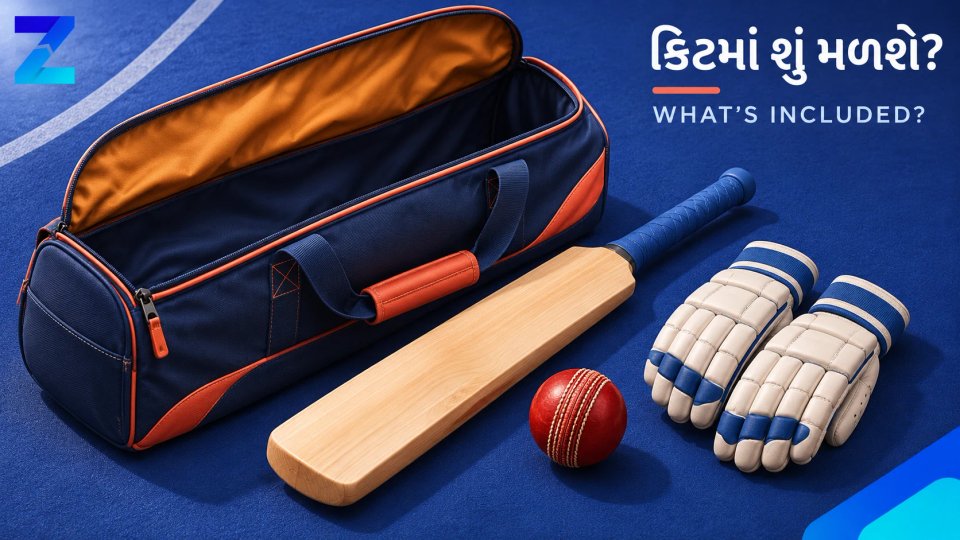
To sell used sports equipment online, identify the exact item, model, size and current condition, then list every piece in the offer. Show wear and repairs, separate one-item and kit prices, and update the list after partial sales. Arrange an appropriate inspection and verify payment before collection. Do not describe damaged or uncertain protective equipment as safe or ready for play.
A cricket kit your child has outgrown. A badminton racket left in its cover. A football set from a team that no longer plays together. Before you put those things back in the cupboard, check what is still usable and what the next player needs to know.
You can sell used sports equipment on Zutilo with photos, an asking price and your location. Focus on the details that make a sports item right for someone: its size, condition and complete contents. This guide covers cricket, racket and field or court sports. For larger equipment, use our separate gym equipment guide or bicycle selling guide.
List the kit piece by piece#
Take every piece out of the bag before writing the ad. Decide whether you are offering one item, a named set or the entire kit. Photograph the contents together and name them in the description. Do not describe a kit as complete if the pads, gloves, cover or bag shown are excluded.
Name each item, its size and its condition. If you are willing to sell pieces separately, add individual asking prices as well as the bundle price. For cones, practice nets, balls or team equipment, give the actual quantity and mention missing fixings or damaged pieces.
Clean items according to their care instructions and let them dry before photographing or packing. Cleaning helps someone inspect the condition. It does not repair cracks, restore padding or make worn protective equipment safe.
Show the details a cricket player will ask about#
For a cricket bat, include the brand, model and size marking where present. State the weight only if you have measured it or have reliable product information. Photograph the face, edges, toe, handle and grip. Explain known cracks, repairs, taping or changes to the handle.
Say whether it has been used with tennis or leather balls if known. Do not infer wood grade or authenticity from a sticker. Use reliable purchase information where available and let the buyer inspect the actual bat. Keep personal details on a bill private rather than posting the full document.
For gloves and pads, show the size, right- or left-hand use where relevant, straps, stitching and inner surfaces. List a kit bag's broken zip or torn strap. The buyer should be able to see which pieces need replacement before agreeing to your price.
Give racket buyers more than a brand name#
For badminton, tennis or squash rackets, add the model and any grip-size or weight markings. Show the whole frame, the shaft or throat, grip, strings and visible damage. Mention restringing, a replaced grip or a known repair.
Do not guess the current string tension. If you have a dated restringing receipt, you can share the recorded information while making clear when it was done. A cracked frame needs an honest description; fresh grip tape should not hide it.
For two rackets, name each model and describe each condition rather than calling them identical from appearance. State whether covers, spare strings or shuttlecocks come with them. A labelled weight or old restringing note is information to share accurately, not a promise about current playing condition.
Be clear about balls, boots and protective gear#
Give the size and type of balls and say when you last checked whether they hold air. If you only checked briefly, do not imply a long test. Show seams, the valve and worn panels. For practice nets or portable posts, give dimensions, quantity, missing fixings and how they are prepared for collection; a photo of the assembled frame does not prove every connector is included.
For sports shoes, show the actual size label and state the sizing system printed there, rather than only “size 8”. Add sole, toe and inside photos, and disclose separation, worn studs or other damage. Let the buyer judge fit; a label alone is not a fit guarantee. A pair worn a few times is still used.
Follow the maker’s instructions for protective equipment and replacement. Disclose known impacts, cracks, damaged straps or compressed padding. Looking clean is not proof of protection or an undamaged impact history. If you cannot establish its condition or history, leave it out of a ready-to-play offer and clearly name what is excluded; do not turn uncertainty into a safety claim.
Set a price for what the buyer will receive#
Compare sports item listings with similar brands, sizes and condition. Check the current new price where available. A seller's asking price is a useful comparison, not a confirmed sale value.
Account for grip replacement, restringing, missing parts and other known work. The cost of buying the original whole kit does not set today’s value. Use the second-hand pricing guide for the wider comparison method. If enquiries are weak, check the actual contents, photos, size information and pickup arrangements before assuming only the price is wrong.
A kit description that does not leave parts to guess#
Illustrative format: “[sport/item and model]. Size: [label and sizing system]. Last used/checked: [date]. Condition and repairs: [specific wear or faults]. Included: [each item and quantity]. Not included: [bag, cover or other excluded pieces]. Asking ₹[amount] for [one item or named kit]; separate prices: [if offered]. Pickup [actual area], inspection by arrangement.” Fill it with your own facts, not another seller’s condition claims.
If one piece sells separately, change the available kit list and price. Remove or explain an old photo showing items no longer offered. A complete-looking bag should not leave the next person expecting a bat or cover that has already gone.
Before meeting, put the included pieces together and agree what can be inspected safely. Give a buyer time to look at markings, seams, grips and repairs. If you cannot tell whether a mark is cosmetic or structural damage, say that and seek suitable maker or specialist advice; do not call it harmless just to complete the sale.
Post your ad and plan a useful inspection#
Use a title with the actual item, model or size and an important condition detail. For example, “[model] badminton racket, [marked size/weight], cover included, [area]” is a format to fill in. Use your actual pickup area and agree which pieces the buyer can inspect. Do not offer an unsafe playing test to demonstrate damaged equipment.
Create your sports equipment ad in English or Gujarati. Free posting is available within category allowances. Check the current limits and charges; applicable charges appear during posting and promotions are separate.
Agree on the final contents before payment. Follow the Zutilo safety guidance and check money in your own bank or UPI app before handover. Never share an OTP or UPI PIN to receive payment. Once the equipment is sold, update the ad so another player does not make a wasted trip.
Looking to sell something?
Reach local buyers with clear photos, condition, price and location. Free posting is available within category allowances; any applicable charge appears during posting.
Post your sports equipment adBrowse related listings
Quick shortcutsFrequently Asked Questions
4 questionsPost on Zutilo in sports items with the brand, size, condition, asking price and location. List every included piece and arrange an inspection. Free posting is subject to the current category allowance.
Use a bundle when the pieces fit together and you want to sell them as a set. List every piece and its condition. If you also offer individual items, give separate prices and update the ad when a piece sells.
Show the complete item, size and model markings, grip and playing surface. For a bat, include the face, edges and toe. For a racket, include the frame, strings and shaft or throat. Photograph repairs and cracks clearly.
Check the manufacturer’s guidance and disclose known impacts, damaged padding, cracks or broken straps. If its condition or history is uncertain, do not describe it as dependable protection or hide it inside a ready-to-play kit.