Sell Your Electric Scooter Online: Range, Charger and Handover
Show what your scooter does in ordinary use, exactly which charger comes with it and how the next owner will get access.

Content Writer
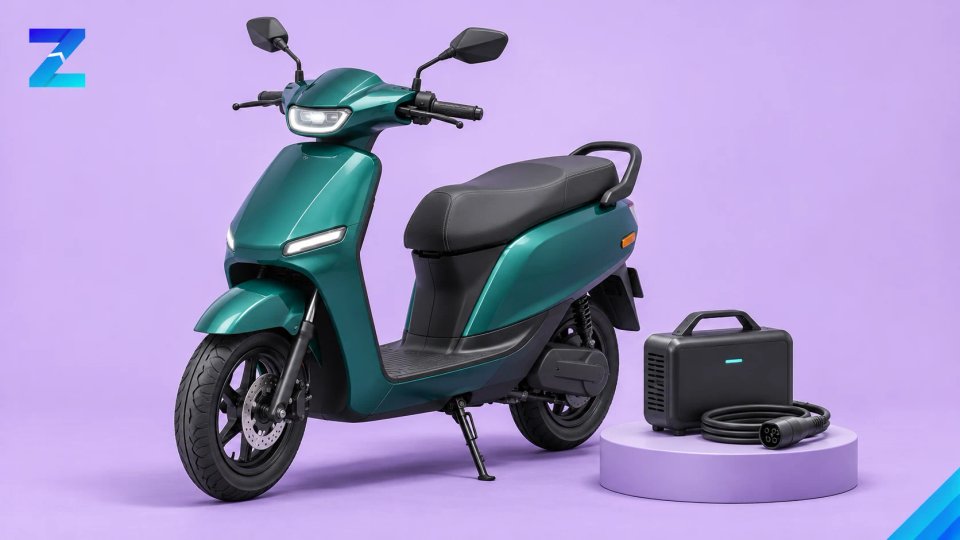
To sell an electric scooter, list the exact model, age, odometer reading, charger, known battery repairs and service history. Explain observed range with riding and charging conditions rather than promising a fixed distance. Verify any warranty and document claims, arrange a controlled test ride, and agree on payment and the current official transfer process where required.
A buyer considering your old electric scooter will look beyond the model and price. How far does it travel in your use? Is the charger included? Has the battery had work done? Can the documents and any remaining warranty be checked?
Answer those questions before the first visit. A clear local listing gives a buyer a practical way to compare your scooter and helps you avoid repeating vague claims about “good battery” in every conversation.
Identify the exact scooter#
Write the brand, model, version, purchase year and odometer reading as shown. State the registration location and your role as owner or authorised seller. Mention known meter replacement or uncertainty rather than calling the reading verified without evidence.
List the charger, keys, accessories and documents included. If a battery, service plan or other component is under a separate ownership or subscription arrangement, explain that and verify what can transfer. Do not assume every item visible in a photo belongs in the sale.
Compare the same model and version in bikes and scooter listings, then narrow to your actual area. Keep the battery, charger and document differences in the comparison.
Explain observed range with context#
Give a recent observation from your use, saying when and how it was measured. Include relevant conditions such as charge level at the start and end, riding mode, passenger load, route and whether the trip involved frequent stops.
A dashboard range estimate is not the same as a measured journey. Label it as an estimate if that is what you are showing. Do not turn an old brochure figure or your best-ever ride into a promise of what the buyer will get.
If range has changed noticeably, say so. Weather, use and battery condition can affect performance, and an inspection may be needed to understand a concern. A short test ride cannot establish the battery’s full capacity or remaining life.
A range note can be simple: “This week I rode the route described below in Eco mode, with one rider. I recorded the distance and charge at the start and end; the dashboard estimate is shown separately.” Add only figures you actually recorded. If you have no recent observation, say that and arrange an appropriate inspection. A service provider’s dated battery assessment is separate evidence, with its own scope and limits.
Disclose battery and charging history#
Mention known battery replacement, repair, error messages, charging interruptions or water exposure. Provide service records where available. If a battery-health report exists, say who produced it and when; do not invent a health percentage from the dashboard bars.
Identify the actual charger by model or label and state its condition. Say whether it is the specified charger for the scooter and whether any charging cable or adapter is missing. Use manufacturer guidance to confirm compatibility rather than promising that any charger will work.
Do not open the battery pack or modify charging arrangements to prepare for a sale. A known charging or battery fault needs appropriate professional assessment, not a risky demonstration.
Verify warranty and document statements#
Check the exact warranty terms and remaining coverage with the manufacturer before saying the buyer will receive it. Age, distance, service history, exclusions and transfer conditions can matter. Having an old warranty card is not proof that coverage remains.
Ask about your actual policy, not a warranty offer advertised for a newly purchased scooter. Some transfers need a dealer update or new-owner registration document. Where the battery is leased, subscribed or subject to a separate agreement, confirm ownership, dues and transfer permission with the provider. Put any unresolved answer in the ad instead of describing the entire package as fully owned or covered.
State registration, insurance, finance and other relevant document status accurately. Do not label a scooter registration-free or licence-free from its appearance, an advertisement or its claimed speed. Requirements depend on the exact model and current rules; verify through the manufacturer and appropriate official guidance.
Arrange suitable private document checks and agree on the current transfer steps where required. A sale receipt should not be presented as a substitute for an official ownership update.
Show ordinary wear as well as the dashboard#
Take clear photos of the front, back, both sides, seat, footboard, tyres and visible damage. Include the dashboard reading and charger. Show any broken panel, missing mirror or faulty control rather than describing the whole scooter as excellent.
Explain known brake, tyre, suspension, light or display problems. Keep sensitive details hidden on documents shown publicly. For better photos, use the used-item photo guide.
Price the scooter as it is today#
Compare the same version, age, condition and supported battery history. Include the actual charger and accessories in the comparison. Ask an appropriate service provider about a known repair instead of guessing that it is inexpensive.
The second-hand pricing guide can help organise your comparisons. Listed prices are asking prices, not confirmed sale amounts. State whether you will discuss the price after inspection.
Arrange a controlled inspection and test ride#
Confirm a suitable daytime meeting, the visitor and what can be checked. Before a ride, verify the rider’s eligibility and suitable insurance arrangements for the model. Agree on a short route and appropriate supervision; do not rely on holding someone’s original ID as your safety plan.
Use only normal manufacturer-approved charging or operating procedures. If there is a known safety concern, arrange professional assessment first. Follow Zutilo’s safety guidance and stop if payment or pickup instructions become unusual.
Record what is handed over#
Confirm the final price, condition, charger, keys and pending tasks in writing, then verify payment in your own account before delivery. For a connected scooter, follow the manufacturer’s new-owner process to move app access and remove your personal information. A request that still awaits acceptance is not a completed digital handover. Manufacturer app transfer is separate from RC transfer and insurance; track the applicable steps for each without sharing your password.
When ready, post your electric scooter ad. Free posting is available within category allowances; review the current limits. Honest range details and clear records help a local buyer decide whether to come and inspect your scooter.
Looking to sell something?
Reach local buyers with clear photos, condition, price and location. Free posting is available within category allowances; any applicable charge appears during posting.
List your electric scooterLatest Bikes ads on Zutilo
Browse listings from local sellers in your area.
 Bikes
Bike
 Bikes
Hornet 160r
 Bikes
FZ X
 Bikes
Honda yuva
 Bikes
# Bajaj Avenger Street 150 – 2017 | Excellent Running Condition | New Tyres
 Bikes
Bajaj Avenger 180
Browse related listings
Quick shortcutsFrequently Asked Questions
5 questionsDescribe a recent observation with charge levels, route, mode and load where known. Label a dashboard figure as an estimate. Do not promise every buyer the same distance.
Check the exact current terms with the manufacturer first. Mention supported remaining coverage and transfer conditions accurately; do not rely on an old card alone.
Only make a supported statement for the exact model after checking current official requirements. Do not infer eligibility, registration or licence rules from appearance or a seller’s claim.
No. It can show agreed functions in use, but it cannot establish full capacity or remaining battery life. A concern may need appropriate professional assessment.
No. Manufacturer app access, official registration and insurance are separate matters. Follow the model’s digital handover process and complete the applicable registration and insurer requirements too.