How to Buy a Used Refrigerator or Deep Freezer in Gujarat
Use model details, an actual cooling check and a transport plan to decide whether a second-hand fridge or freezer is worth buying.

Content Writer
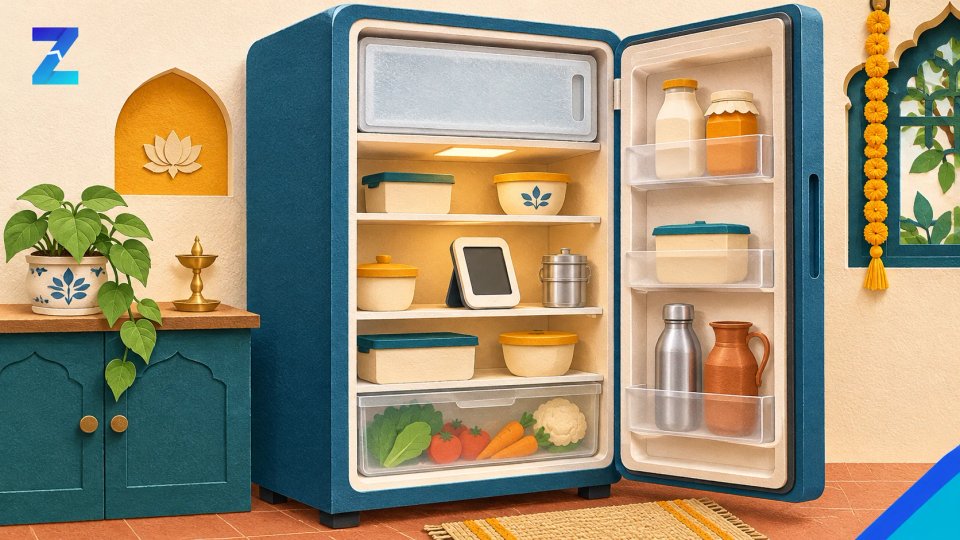
Before buying a used fridge or deep freezer, check the model and intended use. Arrange enough time for normal operation and use a suitable thermometer if the seller agrees. Check the door seal, rust, repairs and included shelves or baskets. Confirm how it will be moved and when that model can be switched on again.
An old fridge can look clean inside and still struggle to hold its temperature. Before you pay, find out what the exact model was built for, see it running under normal conditions, and check the parts you will take home. A chest freezer needs a separate look at the lid, lining and baskets.
Start with the capacity and space you need, then compare the actual model, condition and collection cost. A larger fridge at a lower price is not automatically the better choice if it has an unresolved fault or will not fit through your door.
Confirm the model, use and dimensions#
Browse used refrigerators and ask for the exact model label, litre capacity and type. Confirm whether you are looking at a household refrigerator, household freezer or a different appliance. Do not assume that a display cooler is designed for every kind of storage.
Measure the space at home, doorways and the collection route. Allow the installation space required by the manufacturer, not only the cabinet dimensions. Ask whether the stand, shelves, drawers, freezer baskets and other parts are included.
For a specialised business use, get appropriate advice about the exact equipment and required performance. A household buying checklist should not be treated as approval for food-business, medical or other regulated storage.
Ask about repairs before arranging the visit#
Find out the age, current use, last service and why it is being sold. Ask about compressor work, refrigerant refills, thermostat or control repairs, leakage and recurring ice buildup. Say which concerns you want to inspect.
Ask whether the seller can show it running normally for an adequate period before and during the visit. If it has been stored unplugged, understand what can realistically be demonstrated. A few minutes after switching on cannot establish full performance.
Before travelling, ask: “Can I see the fridge already running when I arrive? What was the last repair, and did the same issue return? Are the shelves and freezer drawers in the photos included?” If the seller cannot demonstrate it, decide whether to arrange a technician before making the trip.
Check available bills or service records privately and match the model, capacity and condition with the listing. A record is supporting information, not a guarantee of future reliability.
Check cooling with a suitable method#
Observe normal operation according to the model’s instructions. Check the relevant compartments, controls and any temperature display. Do not rely only on “it feels cold”, the light working or a brief blast of cool air.
If the seller agrees, use an appliance thermometer suitable for the compartment. Follow the appliance and thermometer instructions for placement and allow the appliance and reading to settle with the door closed. Compare the measured compartment with the model's intended settings or the temperature you need. A display may show a setpoint rather than the actual temperature. A single reading is a snapshot, so arrange further observation or a technician’s check if steady performance matters.
Keep a short inspection note: the compartment checked, how long it had been running, whether the number came from the display or a thermometer, and what you still need verified. If the fridge was turned on as you arrived, write that down instead of treating a cool shelf as a pass.
Unusual repeated clicking, strong vibration, leakage or inconsistent operation deserves further assessment. A sound alone does not diagnose compressor health. Do not accept “only needs gas” or “small thermostat problem” as an established repair cost without appropriate checking.
Inspect the door seal and physical condition#
Look at the accessible gasket for splits, gaps, loose sections and dirt that hides damage. Close the door normally and check alignment. A gentle paper check at several points can help notice uneven grip, but it is not proof that the seal or cooling system is fully sound.
Inspect the base, corners, visible rear area and accessible interior for deep rust, water damage, cracks or repairs. Look at the plug and cable without opening covers or touching components. Stop if there is exposed wiring, a burnt smell or another safety concern and seek suitable help.
Count shelves, trays, racks and baskets. A missing or cracked part may need the exact replacement, so check availability before treating it as a small issue.
Give a deep freezer its own inspection#
Confirm the intended use, capacity, lid or door arrangement and manufacturer’s operating requirements. Inspect the lid seal, hinges, interior lining, baskets, drainage parts and controls. Ask about punctures, repairs or unexplained damage to the interior.
A cold wall or visible frost alone does not establish that the freezer maintains the required temperature throughout normal use. Arrange suitable observation and professional assessment where needed. Do not buy for a demanding use solely because it is described as a freezer.
Keep household refrigerators, chest freezers and display coolers separate when comparing prices. The cabinet size or the word “freezer” in an ad does not tell you what the appliance is designed to maintain.
Add transport and setup to the budget#
Compare similar capacity, model age, repairs, included parts and pickup access. Other advertisements show asking prices, not final sale values. Keep a short written comparison so the differences are clear.
Put the asking price beside the cost of transport, stairs or loading, and replacement parts you can actually source. Leave an unresolved cooling fault as an unknown until you have an assessment. A discount is hard to compare when the repair cost is still a guess.
Confirm who arranges loading, suitable transport and any preparation. Follow the exact manufacturer’s instructions for defrosting, cleaning, transport position and restarting after movement. Do not use one upright-rest or waiting-time rule for every appliance.
Use competent help for a heavy item. Agree on the floor, lift, stairs, vehicle access and costs before paying.
Decide after inspection, then record the deal#
Confirm the appliance, known faults, included accessories, price and pickup plan in writing. Read the marketplace scam checklist and safety guidance. Avoid advance pressure before seeing and adequately checking the item.
If cooling, safety or the true repair cost remains unclear, keep comparing. If you are replacing your own appliance, the fridge seller guide covers preparing its separate listing. Take the time needed to buy an appliance that suits your use and collection plan.
Explore on Zutilo
Browse local listings, compare the details and contact a seller when you find something useful.
Compare used refrigeratorsBrowse related listings
Quick shortcutsFrequently Asked Questions
5 questionsArrange normal operation and use a suitable thermometer if possible. Note whether you measured the compartment or read a setpoint. A cold shelf or one reading does not show how well the fridge holds temperature over time.
It may reveal uneven grip at a few points. Also look for splits, loose sections and door misalignment, and check cooling separately.
Check the intended use, lid seal, hinges, liner, baskets and controls. Ask about punctures or repairs and arrange appropriate temperature observation.
Check the exact manufacturer's guidance for the model and how it was moved. Get clarification before plugging it in if the transport position or restart instructions are uncertain.
Confirm what the model is designed for and have a suitable specialist assess it against your requirements. A household inspection cannot establish suitability for regulated storage.