How to Test a Second-Hand Sewing Machine on Your Own Fabric
Take a scrap of the fabric you actually sew. Ask for two short seams and check both sides before you decide on a used machine.

Content Writer
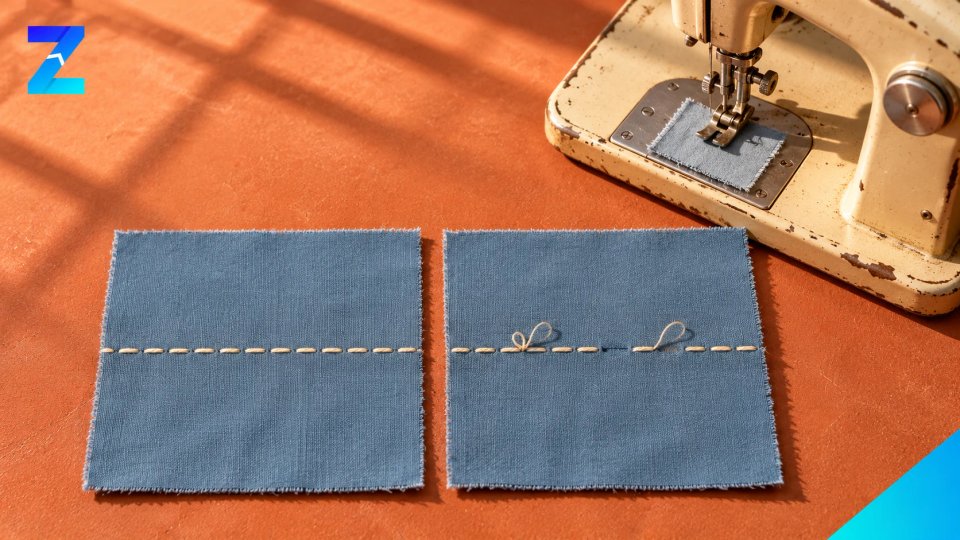
Before buying a second-hand sewing machine, take a scrap of your usual fabric and ask the seller to sew a straight seam through the same layers you normally use. Check both sides for gaps, loose loops or puckering. Try a folded edge if you sew hems. If a problem repeats after the seller checks the setup, get the machine inspected before paying.
Say you’re buying a machine for blouse alterations. The seller runs it on one flat piece of cotton and the seam looks fine. But at home you’ll be sewing through a folded edge. That’s the bit you want to see the machine do before you pay.
This is for anyone looking at a used machine for home sewing or a small tailoring shop in Gujarat. Once you’ve found a machine you want to see, take the fabric you normally work with and ask for a demo on that exact machine.
Ask for the demo before you leave home#
Find out whether the machine is set up and who can show it working. If you need a straight stitch for joining two pieces, ask to see that seam. If you’re buying an overlock machine to finish raw edges, ask for a sample of that finish on your cloth.
Here’s a message you can send the seller:
Hi, Im bringing a piece of the cloth I use. Can we try a short seam and a folded edge on it when I come? Table and motor included?
If the machine is packed away or the seller can’t run it, decide if the trip is still worth it. You can arrange a demo another day or ask whether a repair technician can check it before you pay.
Bring a plain scrap and a fold you actually sew#
Take enough cloth for two short runs. For a blouse alteration, bring a scrap of similar cloth and fold part of it like a hem. If you usually sew two layers, stack two layers for the first run. Take the kind of thread you normally use if you have it. Let the person running the demo choose the right needle for that machine and fabric.
A machine that sews two thin layers may behave differently where the cloth gets thicker. Keep the test within what the model is designed to sew. If you work with more than one fabric, take the one that would matter most if the machine struggled with it.
Let the seller sew while you watch the cloth#
Have the seller or someone who knows the machine run it on a stable table with its guards in place. If the cable is damaged or a guard is missing, leave the machine off and arrange an inspection. Keep fingers and loose clothing away from the needle and moving parts.
Ask for two runs on the same fabric:
- A short straight seam at a comfortable speed. Watch whether the cloth feeds steadily. Let the machine feed it without tugging. If you use reverse stitches to secure a seam and the model supports them, ask to see that too.
- A seam across the fold you brought. See what happens when the presser foot reaches the thicker part. Ask the operator to stop if it jams or the needle keeps hitting.
For an overlock machine, ask the operator to finish a raw edge instead. Check that the thread wraps the edge consistently, then give the cloth back to the operator if another pass is needed.
Turn the cloth over#
Lay the sample flat and look at the whole line. Check the top and the underside. The top can look tidy while the thread underneath is loose.
- Even stitches on both sides. The line holds the layers together and the cloth lies as flat as you’d expect for that seam. Try the folded section too before deciding.
- A gap where a stitch should be. Note whether it happens on the flat run or only where the fold starts. If it repeats at the same spot, ask to see that part again after the setup is checked.
- Loose loops, bunched thread or puckering. Ask the operator to check that the machine is threaded correctly and that the needle, thread and settings suit your fabric. Then compare a fresh seam on the same layers.
Say the first sample has loops underneath. If the operator rethreads the machine and the next two runs come out even, you’ve seen it handle that fabric with the corrected setup. If the loops keep coming back, you still have an open question. A stitch sample can show you what happened without telling you which part needs repair.
Make the decision while the samples are in front of you#
If the machine handles the seams you need, confirm what comes with it. A machine head by itself is a different offer from one with the table, motor and pedal. Ask what you’d need to buy separately and add that, any quoted service and pickup to the asking price. For a heavy table setup, agree who will move it before booking a vehicle.
If the seller can only show a powered-on machine or a piece of cloth stitched earlier, wait for a live demo or a technician’s check. You can browse textile machinery on Zutilo to shortlist another option. Before travelling or paying, confirm the visit details and read Zutilo’s safety guidance.
Explore on Zutilo
Browse local listings, compare the details and contact a seller when you find something useful.
Browse Textile MachineryBrowse related listings
Quick shortcutsFrequently Asked Questions
3 questionsYes, for a first look. Before paying, try a scrap like the cloth you use and sew through the number of layers you normally work with. Include a fold if that’s part of your work.
A skipped stitch can come from threading, the needle, or the way the machine is set up for that fabric. Ask the operator to check the setup and sew another sample on the same cloth. If the problem keeps coming back, get the machine checked before buying.
Ask if they can set up a demo later or let a technician inspect it. A machine that powers on or comes with an old stitch sample still needs a sewing test if you’re paying for it as ready to use.