Manual vs Automatic Car: Which Suits Your Daily Driving?
Your usual commute, the people sharing the car and the condition of the actual vehicle can settle the manual-versus-automatic question. Start there.

Content Writer
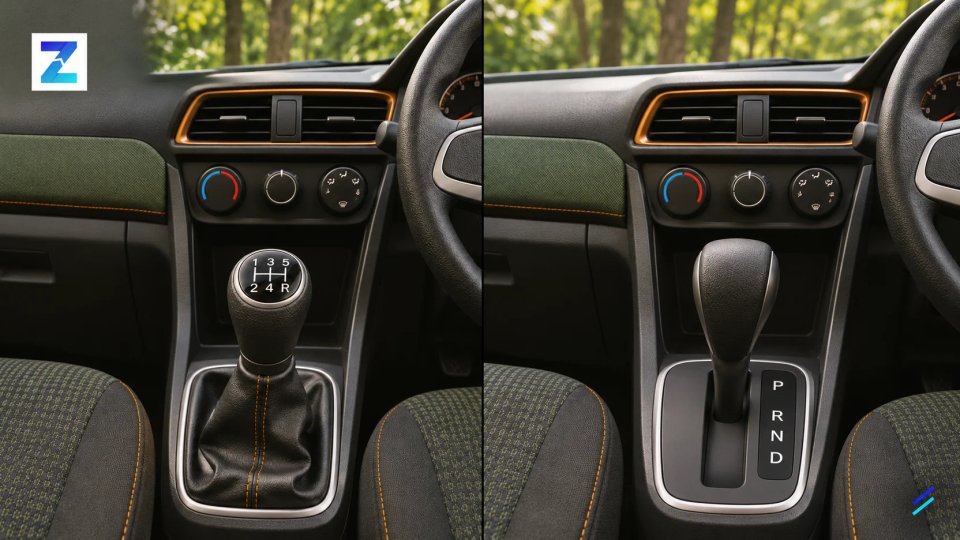
An automatic can make repeated stop-start driving easier because you don’t work a clutch pedal and change gears each time. A manual can suit someone comfortable with those controls when the car and total cost fit their needs. Compare the exact variants, let the people who will drive try them safely, and check service history and repair costs before choosing a used car.
You learned to drive in a manual. Now you’re buying a car, and a friend says you should get an automatic for the traffic. Someone at home says a manual will cost less to keep. Both have a point of view, but you’ll be the one sitting in the car on Monday morning.
Start with the journey you make most often. A half-hour spent moving a few metres at a time can feel different from a half-hour on a clear road. Also think about who else will drive, how much you want to spend and the condition of the actual cars you’re comparing.
This guide helps you choose between manual and automatic before you shortlist individual cars in Gujarat. It is especially useful when you’re looking at used cars, where the age, variant and service history can change the comparison.
Think about an ordinary week#
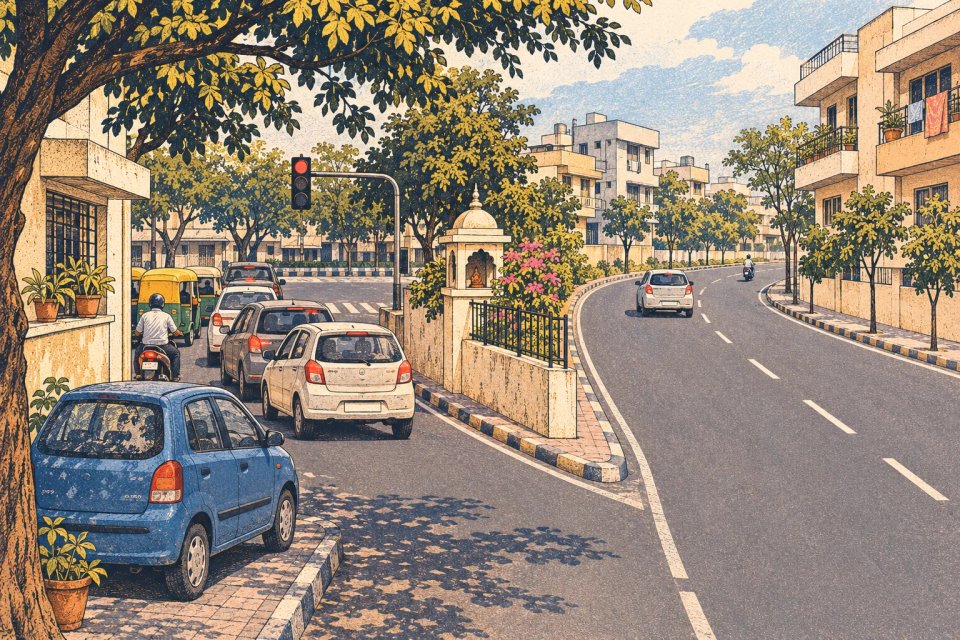
Write down the trips you usually make. Office and back, the school run, a visit to the market, or a longer journey every other weekend. How much of that involves stopping and starting? How often do you park in a tight space? Is the car for one person or will someone else use it on days you don’t?
An automatic is worth trying if the clutch and repeated gear changes are the part of city driving you find tiring. If your regular drive is more open and you’re comfortable in a manual, try the actual manual car you like before ruling it out.
Keep your usual week in mind when someone recommends a car for a trip you might make once a year. The type you choose should also work for the journeys you’ll repeat.
What changes when you drive them?#
In a conventional manual car, you use the clutch pedal and choose gears with the lever. In an automatic’s normal drive mode, the car handles the gear changes. That removes a repeated job from a slow commute.
Sit in both while they are parked. Adjust the seat properly and see how you reach the controls. Then arrange a suitable test drive with the seller. If you are still learning or unfamiliar with the controls, practise with a driving instructor before trying a seller’s car.
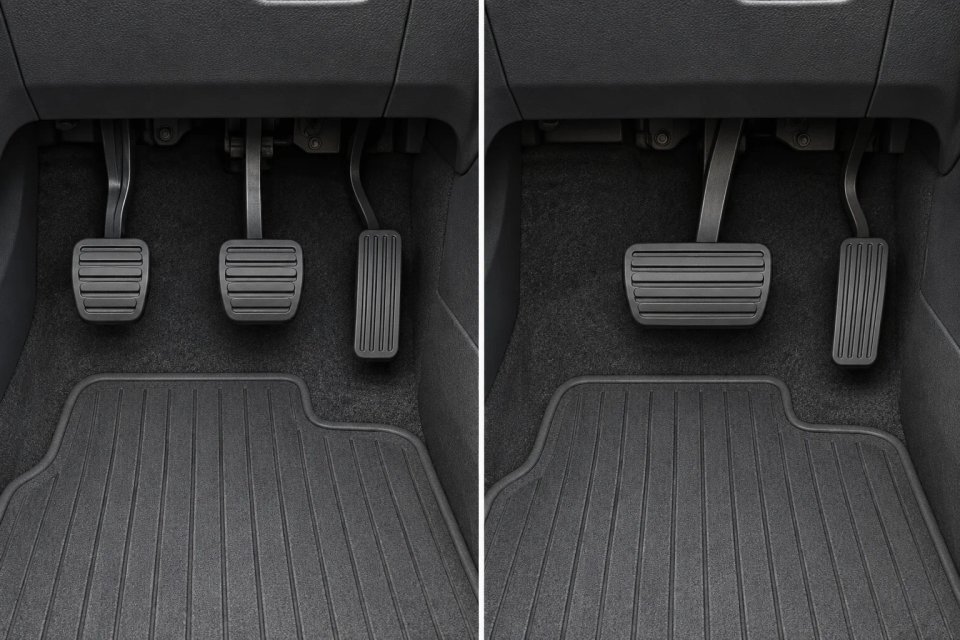
Learning on a manual gives you experience with a clutch and gear lever. You can still choose an automatic for the car you’ll use every day. If you choose a manual, make sure you’re comfortable with that particular car’s clutch, seat position and gear changes.
An automatic also takes familiarisation. Ask how the particular model’s controls work and read its owner’s manual. Take time to learn the car before making it part of a busy daily journey.
If two people will share the car, both should try it#
One person may like the manual they learned in, while the other finds the clutch tiring. Talk about who will drive most often and how much time each person will spend in traffic. It’s easy for the more confident driver to choose a car that the other person then avoids using.
Have both people sit in the driver’s seat and check reach, visibility and seat adjustment. Arrange appropriate test drives so each can judge the car. Transmission is one part of the choice. A car that feels awkward to see out of or park can still be awkward with an automatic gearbox.
If someone at home says they will learn later, discuss what they expect to drive and how they plan to learn. You can make a choice that works for the current driver while keeping the other person’s needs in mind.
“Automatic” covers several different cars#
You’ll see names such as AMT, AGS, CVT, IVT, AT and DCT in ads or model brochures. The important thing is to identify the exact variant and year, then check its gearbox from the maker’s information.
An AMT automates the clutch and gear changes of a manual-style transmission. Some makers use their own name, such as AGS. CVT and DCT describe different transmission designs. You don’t need to become a gearbox expert to shop, but it helps to know that two ads saying “automatic” can offer different driving feel and service needs.
During a properly arranged drive, see whether the way the actual car responds suits you. If you feel a delay, a strong shudder or something else you’re unsure about, ask a mechanic familiar with that model to check it. A comment that “they all do that” leaves your question unanswered.
There are also clutchless manual systems, such as iMT on some models, where the driver still chooses the gears. Confirm what the seller is offering before you travel, especially when an ad uses “automatic” loosely.
Compare the cars within your budget#
A useful comparison starts with the model, year, engine, variant, kilometres shown and service records. If possible, compare manual and automatic versions close enough in age and condition that you can see what the extra money buys.
If the same budget gets you a newer manual or an older automatic, write down the differences that matter. The older car may have more kilometres, different features or work due. The newer one may still need tyres, a service or a repair. Have a mechanic assess the actual car before putting a number against that work.
Ask for a quote for the service or repair that is actually due. Check the service schedule for that model. Treat an unresolved gearbox problem as a question to settle before paying, even if the asking price looks attractive.
For fuel costs, compare the exact engine and gearbox versions. Look at the maker’s figures on a comparable basis and allow for your route, traffic and driving. A general claim that all manuals or all automatics give better mileage won’t tell you what these two cars will cost you.
Add the work due before comparing the totals#
Here’s a worked example. Say a manual is offered at ₹3,80,000 and the jobs identified during inspection have been quoted at ₹18,000. Your total for those two amounts is ₹3,98,000. Another offer is an automatic at ₹4,10,000 with ₹6,000 of quoted work, giving ₹4,16,000.
The asking-price gap was ₹30,000. Once you include those jobs, the gap is ₹18,000. These figures are an example to show the arithmetic. Get quotes for the actual cars you’re considering, and add other purchase costs that apply to you separately.
Now ask whether the automatic’s convenience is worth that difference for your own use. Also ask whether either car has an unresolved fault that makes the comparison premature. Keep enough room in your budget for the work you already know needs doing.
A manual can need a clutch repair. An automatic can have its own service or repair needs. The records and inspection of the actual vehicle will help you compare them more usefully than a blanket claim about which type is cheaper to maintain.
Make the test drive answer your questions#
Before meeting the seller, agree who will drive, where and for how long. Follow the car’s instructions and use suitable, safe arrangements. If you need a mechanic’s assessment, book it before you decide on the payment.
Think about what you want to find out. Can you get comfortable in the seat? Does using the clutch and lever feel manageable? In the automatic, do you understand the controls and feel comfortable with the way the car responds during ordinary driving?
Tell the seller and mechanic about anything you notice, such as a warning light, an unexpected noise, difficulty selecting a gear or a strong vibration. Let the mechanic assess the cause and likely work. A short comfortable drive is one useful part of the decision, alongside the condition check and records.
You can send the seller a message before you leave home.
Hi, which exact variant and gearbox is this? Can I see the service records and arrange a test drive and mechanic’s inspection? Please let me know about any clutch or gearbox work already done.
Ask the same questions of both sellers if you’re comparing two cars. It makes it easier to put the offers next to each other later.
Choose the type, then look at the actual offers#
Keep a short note with the price, model, year and exact transmission. Add the jobs identified, who gave the repair quote, and how the car felt to the people who will use it. If you still have a question about the gearbox, get it answered before agreeing on the car.
For repeated city traffic, an automatic’s reduced clutch-and-shift work may be something you value every day. If you’re comfortable in the manual and its condition and total cost suit you, it can still be a sensible choice.
Once you know what you want to compare, browse car ads on Zutilo. Ask for the exact variant on any car you like. If you’re replacing a car, the car selling guide helps you prepare the details and records. Use the marketplace safety advice when arranging the visit and payment.
Explore on Zutilo
Browse local listings, compare the details and contact a seller when you find something useful.
Browse Cars in GujaratLatest Cars ads on Zutilo
Browse listings from local sellers in your area.
 Cars
Swift dezir diesel 2011 (1 owner)
 Cars
Car
 Cars
Sell Hyundai i10 megna 1.2 kappa CNG 2012
 Cars
2016 Detsun redi go cng
 Cars
Urgent Sell! MG Hector 1.5 DCT automatic petrol top model
 Cars
Car
Browse related listings
Quick shortcutsFrequently Asked Questions
4 questionsYes. You can choose the type that suits your daily use. Take time to learn the particular car’s controls with suitable instruction, then compare the actual car’s condition and cost before buying.
No. Some clutchless manuals still need the driver to select gears. Check the exact variant and the maker’s description instead of deciding from the pedal count alone.
The cost depends on the model, age, condition, work already done and what is due. Ask for service records and a model-specific inspection and quote. Compare those with the manual car you’re considering.
Choose from the exact car and how you use it across a normal week. Both types can serve highway journeys. Try the car safely and compare comfort, condition, features and cost, including the driving you do most often.